
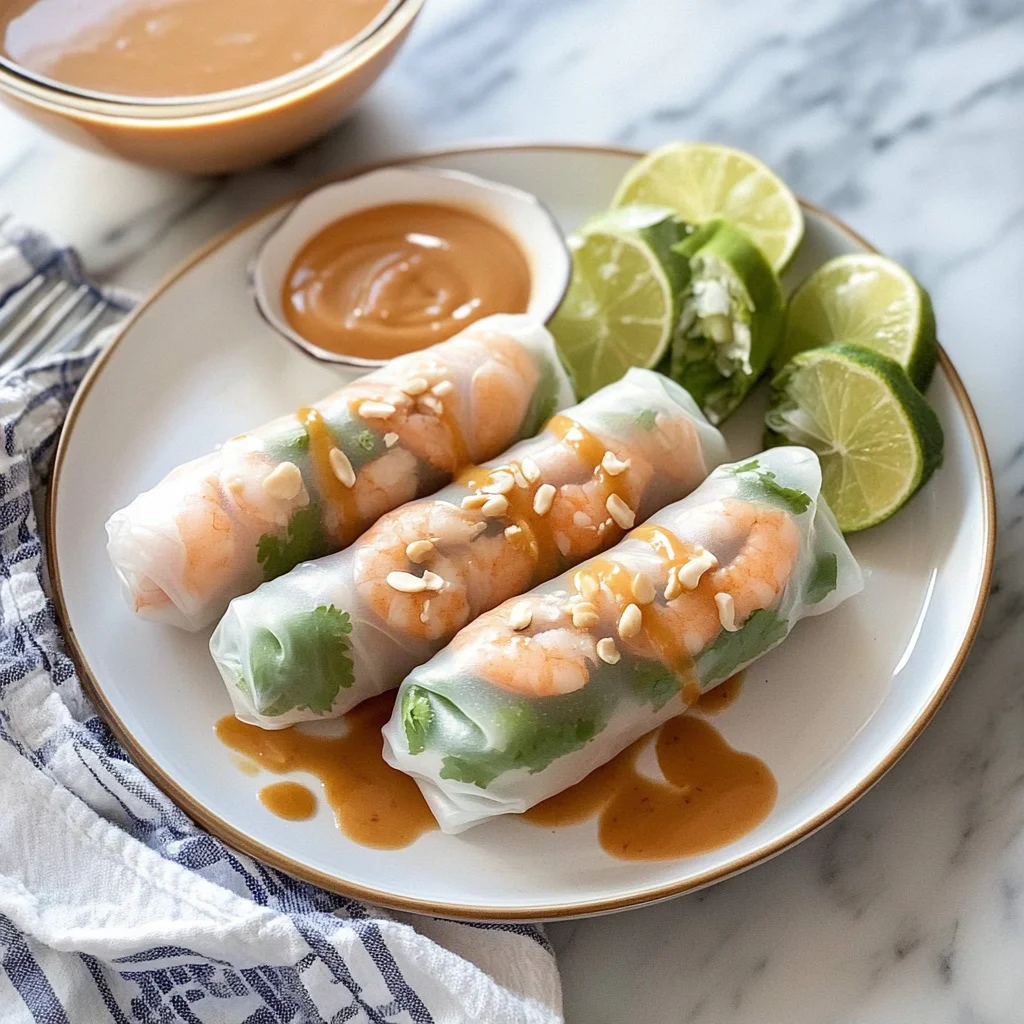
Imagine biting into a Vietnamese spring roll, where the crisp rice paper envelops succulent shrimp and a colorful medley of crunchy vegetables, creating an explosion of flavors that dance on your palate. The aroma of fresh herbs wafts through the air, enticing you to savor each bite as the delicate sweetness of the dipping sauce adds a perfect finishing touch to this culinary masterpiece.
These vibrant rolls aren’t just a dish; they’re a celebration of life’s simplest pleasures, often enjoyed during family gatherings or sunny picnics. I fondly remember my first attempt at making these delightful treats, filled with laughter and a few kitchen mishaps that made the experience unforgettable. Each roll promises not just a burst of flavor but also a story that brings people together, making them perfect for any occasion where joy and good food are the main ingredients.
Why Is vietnamese spring rolls So Irresistibly Good?
Freshness in every bite, these vibrant ingredients like shrimp, crunchy vegetables, and aromatic herbs create a delightful explosion of flavors. Quick and easy, this no-cook recipe comes together in just 30 minutes, making it perfect for busy weeknights or casual gatherings. The versatile filling allows you to customize with your favorite veggies or proteins. Finally, the creamy dipping sauce adds a rich contrast that elevates each roll to pure bliss!
vietnamese spring rolls Ingredients
For the Filling
- 8 oz shrimp (peeled and deveined) – Fresh shrimp add a delightful sweetness; you can substitute with cooked chicken or tofu for a different protein.
- 4 oz vermicelli noodles – These soft noodles provide a wonderful texture, making them essential for authentic vietnamese spring rolls.
- 1 cup lettuce (leafy greens, torn into pieces) – Leafy greens create a crisp layer; romaine or butter lettuce works beautifully here.
- 1 cup carrot (julienned) – Crunchy carrots not only add color but also a touch of sweetness to balance the flavors.
- 1 cup cucumber (julienned) – Refreshing cucumbers enhance the spring rolls’ crispness and are perfect for adding moisture.
- 1 cup fresh herbs (such as mint and cilantro) – Fresh herbs bring in vibrant flavors; feel free to mix varieties like basil for an aromatic twist.
For the Dipping Sauce
- 3 tbsp hoisin sauce – This sweet and savory sauce is key for dipping, offering rich depth to your vietnamese spring rolls.
- 1 tbsp peanut butter – Creamy peanut butter adds richness; adjust to taste if you prefer a lighter dip.
- 1 tbsp water (to thin the sauce) – Adding water helps achieve your desired consistency for easy dipping.
- 1 tsp lime juice – A splash of lime juice brightens the sauce, enhancing its overall flavor profile.
- 1 tsp crushed peanuts (for garnish) – Garnishing with crushed peanuts gives an extra crunch that complements the smooth dipping sauce.
For the Rice Paper
- 8 sheets rice paper wrappers – These delicate wrappers are essential for rolling up all your delicious ingredients while keeping everything fresh inside.
How to Make vietnamese spring rolls

1. Cook the shrimp in boiling water for 2-3 minutes until they turn pink and opaque. Drain them well and set aside to cool; this ensures a tender filling.
2. Prepare the vermicelli noodles according to package instructions, then drain and rinse them with cold water. This keeps the noodles from sticking together and helps maintain their fresh texture.
3. Julienne the carrot and cucumber into thin strips, creating vibrant colors that will pop when you bite into the rolls. Tear the lettuce into bite-sized pieces for easy wrapping.
Assemble the Spring Rolls:
4. Soak one rice paper wrapper in warm water for about 10-15 seconds until it becomes pliable. Be gentle; this is crucial for an easy wrap.
5. Layer a small amount of shrimp, vermicelli noodles, lettuce, carrot, cucumber, and fresh herbs in the center of the soaked wrapper. Don’t overfill—this helps prevent tearing!
6. Fold the sides of the wrapper over the filling, then roll tightly from the bottom to the top. A snug roll keeps all those delicious ingredients secure inside.
7. Repeat with remaining wrappers and filling ingredients until you have a beautiful platter of spring rolls ready to enjoy.
For the Sauce:
8. Mix together hoisin sauce, peanut butter, water, and lime juice in a small bowl until smooth. This creamy dip adds a delightful contrast to your fresh rolls.
9. Garnish with crushed peanuts before serving to add a crunchy finish that complements the soft spring rolls perfectly.
10. Arrange the spring rolls on a serving platter and serve them alongside your homemade dipping sauce for an inviting presentation.
Optional: Serve with extra lime wedges for a zesty kick!
Exact quantities are listed in the recipe card below.
Pro Tips for vietnamese spring rolls
- Perfectly Cooked Shrimp: Ensure shrimp turn pink and opaque; overcooking can make them rubbery.
- Cool Noodles: Rinse vermicelli noodles with cold water after cooking to prevent them from clumping together in your vietnamese spring rolls.
- Fresh Herbs Matter: Use a mix of mint and cilantro for vibrant flavor; wilted herbs can dull the taste of your rolls.
- Water Temperature: Soak rice paper wrappers in warm, not hot, water to avoid tearing while rolling your vietnamese spring rolls.
- Tight Rolling: Roll tightly but not too tight; this keeps the filling secure without risking wrapper breakage.
- Dip Right Before Eating: For the best flavor, dip each roll just before enjoying to keep everything fresh and crispy.
How to Store and Freeze vietnamese spring rolls
Fridge: Keep leftover vietnamese spring rolls wrapped in damp paper towels and stored in an airtight container for up to 3 days to maintain freshness.
Freezer: For longer storage, place the spring rolls in a single layer on a baking sheet, freeze until solid, then transfer to a freezer bag. They can last up to 1 month.
Dipping Sauce: Store any leftover dipping sauce in the fridge in an airtight container for up to 1 week. Shake well before using.
Reheating: If frozen, thaw the vietnamese spring rolls in the fridge overnight before serving. Enjoy them fresh or with a side of dipping sauce without reheating.
vietnamese spring rolls Variations
Feel free to get creative with these fresh delights, adding your personal touch to each vibrant bite!
- Shrimp Swap: Substitute shrimp with cooked chicken or tofu for a different protein option. Both will soak up the delicious flavors of the dipping sauce beautifully!
- Noodle Twist: Try using rice noodles or soba noodles instead of vermicelli for a unique texture. Each type brings its own character, making your rolls even more exciting.
- Crunchy Additions: Add sliced bell peppers or radishes for an extra crunch. These ingredients not only enhance the texture but also add a pop of color to your rolls.
- Herb Medley: Experiment with different herbs like basil or parsley alongside mint and cilantro. Each herb will contribute distinct aromas and flavors that elevate your spring rolls.
- Heat Up: For a spicy kick, include thinly sliced jalapeños or a sprinkle of red pepper flakes in your filling. This twist is perfect for those who enjoy a bit of heat in their dishes!
- Vegetarian Delight: Omit the shrimp and load up on more veggies like avocado and mushrooms. This version is just as satisfying and packed with nutrients.
- Nutty Flavor: Swap peanut butter in the dipping sauce for almond butter or tahini for a new nutty depth. These alternatives will give your sauce a delightful twist while keeping it creamy!
Make Ahead Options

Vietnamese spring rolls are a fantastic choice for meal prep, allowing you to enjoy fresh flavors without the last-minute rush. You can prepare the filling components in advance: cook the shrimp by boiling them for 2-3 minutes until they turn pink and opaque, then let them cool. Prepare the vermicelli noodles according to package instructions, rinse them with cold water, and set aside. Julienne the carrot and cucumber, and tear the lettuce into bite-sized pieces. These ingredients can be stored in the refrigerator for up to 3 days. Additionally, you can pre-make the dipping sauce by mixing hoisin sauce, peanut butter, water, and lime juice until smooth; this will keep well for about a week in an airtight container. When you’re ready to serve, simply soak the rice paper wrappers in warm water and assemble your spring rolls with your prepped ingredients. This way, you save time while still enjoying delicious homemade Vietnamese spring rolls!
vietnamese spring rolls Recipe FAQs
What type of shrimp should I use for Vietnamese spring rolls?
Fresh or frozen shrimp can work well, but be sure to peel and devein them before cooking. For the best flavor, opt for medium to large shrimp, as they hold up nicely in the rolls. If you want to make it vegetarian, consider using tofu or tempeh instead!
Can I prepare the filling ingredients in advance?
Absolutely! You can cook the shrimp and prepare the vermicelli noodles a day ahead. Just store them in an airtight container in the refrigerator. The veggies can also be julienned beforehand; just keep them covered to maintain freshness. Aim to assemble your spring rolls within 30 minutes of serving for optimal texture.
How should I store leftover spring rolls?
If you have any leftover spring rolls, store them in an airtight container in the refrigerator for up to one day. To keep them from sticking together, place parchment paper between layers. However, fresh spring rolls are best enjoyed the same day they’re made!
Can I freeze Vietnamese spring rolls?
While it’s not recommended to freeze assembled spring rolls due to their delicate nature, you can freeze cooked shrimp and prepared vermicelli noodles separately. Thaw them overnight in the fridge before using them again in fresh rolls—just remember that freshly made is always tastiest!
What if my rice paper wrappers are tearing?
If your rice paper is tearing while rolling, try soaking it for a shorter time—around 10 seconds—until it’s just pliable but not overly soft. Practice makes perfect! You can also layer more filling into each roll to help stabilize it.
What’s a good alternative for the dipping sauce if I have dietary restrictions?
If you need a nut-free option, simply omit the peanut butter from the dipping sauce and substitute with tahini or sunbutter for that creamy texture. For a gluten-free alternative, ensure that your hoisin sauce is gluten-free or make your own by combining soy sauce (or tamari) with sugar and vinegar!
Pin This Recipe for Later
Love this recipe? Save this pin to your Pinterest boards to keep it handy whenever you need it!